5 mistakes to avoid when buying a garden shed
Hey, and welcome! As an outdoor enthusiast, I understand the significance of equipping one’s garden with the right tools and accessories.
That is why today I would like to discuss one of the most crucial parts – a shed for your garden.
In this post, you will discover five typical mistakes to avoid when buying a shed to make a wise investment that lasts many years ahead.

Mistake #1: Not considering the size and style of the shed
Making the wrong choice for a garden shed is all too easy, so I’m here to ensure you don’t make the same mistake that I did. Before investing in your own hut, carefully consider its size and style – trust me, it makes all the difference! Here are some tips to help guide your purchase:
Choose the right size
Buying a garden shed may seem easy, but it can quickly become overwhelming if you rush into the process. Before beginning your search for a new shed, take time to measure and consider the size of your lawn, what possessions are meant for storage and how you’d want to organise everything. Additionally, be sure that any setbacks or unusual grounds do not affect where the unit will ultimately be placed, in addition to being aware of sunlight and shade exposure areas.
Before you decide on the size of your shed, reflect on how it will be used. Is storage its primary purpose? Or do you need a workspace or playhouse as well? This consideration will help guide which type and size suits your garden’s needs an avoid common mistakes.
Consider the different styles of sheds.
When selecting a shed building, there are multiple aspects to consider – and one of the essential components is its style. The market offers an array of styles with their advantages and disadvantages; some of these include:
- Thanks to their cleverly designed triangular roof, apex sheds are ideal for storing items such as ladders and bikes.
- A perfect fit for the side of your house or fence, pent sheds are an ideal solution with their single-sloping roof that provides sufficient cover and style.
- Exuding a timeless, picturesque vibe, the cottage-style sheds feature pitched roofs and classic charm.
- For those looking for a combination of rustic style and utility, log cabin-style sheds are the perfect option. These charming structures make an excellent choice as workshops or home offices.
Reflect on the style that will make your garden shine and meet your practical needs.
Think about the future.
An often made mistake when purchasing a storage space is not considering future needs. Ensuring today’s decision fits tomorrow’s vision will serve you well! It’s critical to select an appropriate shelter for current requirements, yet also crucial that you ponder your demands in the days ahead and consider sheds security.
To save yourself the hassle and expense of buying a new shed in the future, it’s essential to consider your current and potential needs before purchasing a storage shed. For example, if you’re currently using your shed for storage but may soon begin an activity that requires more space, opt for a model large enough to accommodate both uses now.

Mistake #2: Choosing a shed based solely on price
Though opting for the least expensive shed might seem like a sensible choice, it is often an error made by buyers. This can lead to increased costs over time, and below are some reasons why:
Quality matters
Don’t be swayed by an inexpensive price tag when searching for a garden shed. Suppose you invest in a cheap shed with low-grade materials and substandard construction methods. In that case, it’ll undoubtedly cost you more in the long run due to its decreased durability and reliability! So while saving money where possible is always essential, remember quality still matters when purchasing your garden shed.
A low-grade shed might need more frequent maintenance and repairs over time, resulting in extra expenses. Yet a robust structure made with high-quality materials and sturdy construction will last longer while requiring minimal upkeep—saving you money in the long run!
Look for a good balance between price and quality.
Finding a shed with excellent materials and construction methods doesn’t mean you must overspend. Instead, it’s about striking the perfect balance between cost-effectiveness and quality for your needs.
To make the most of your investment, set a budget for your shed and search for options that fit within the limit but still offer all the features and quality you need. Be sure to also watch out for any sales or discounts available as they can help to reduce costs without compromising value.
Don’t forget about the warranty.
When you invest in a garden shed, it is critical to consider the warranty. Having a reasonable assurance can provide great reassurance and safeguard your purchase. Read through the fine print before investing in a product, seeking contracts covering materials and artistry imperfections for optimal protection.

Mistake #3: Not considering the foundation
Remember to ensure the foundation is vital for a garden shed. Why? Here’s why: it is essential for long-term stability! Neglecting this fundamental beginning step can spell disaster in the future – no one wants an unstable structure when they could have avoided such problems with proper preparation beforehand.
A strong foundation is essential for a long-lasting shed
A garden shed’s strength and longevity depend on an unwavering foundation. Without one, it will eventually begin to shift, sink or even collapse – incurring expensive repairs or worse – total replacement.
Establishing a reliable foundation is vital, mainly in a region prone to high winds or torrential downpours. When done correctly, a sturdy base will protect your shed from extreme weather conditions and keep it standing for many years.
Consider the different types of foundations.
When constructing a garden shed, you have several foundation options that depend on your particular needs and the condition of your yard. Common types include:
- Constructing a concrete slab is an excellent and enduring option for anyone who desires a solid foundation. While it entails excavation and groundwork, the resulting basis will be durable enough to house your shed easily.
- A gravel foundation is a way to go if you’re looking for an inexpensive and quick option; spread some gravel on level ground and set your shed atop it – easy!
- The pier foundation is ideal for those with sloped or uneven terrain; it comprises a collection of concrete pillars that securely uphold your shed.
Prepare the ground properly.
It is essential to prep the ground before deciding on a foundation, regardless of type. This requires clearing all vegetation or trash from the region and levelling it evenly. Furthermore, ensuring that the soil is compressed and secure should also be considered.
If you want more stability with a concrete slab or pier as your base, excavating that area and laying down gravel (or any other material) will create better drainage properties and extra support.

Mistake #4: Forgetting about ventilation and natural light
For gardeners that have seen and used sheds, it is known that proper ventilation and natural light are necessary. Unfortunately, many people tend to forget this while purchasing one. So why should you pay attention to such details? Here’s an explanation:
Proper ventilation is essential for a healthy shed environment
A garden shed can quickly become damp and musty if it doesn’t have proper ventilation. Without adequate airflow, moisture from the ground, rain, and humidity can build up inside the shed, leading to mould, mildew, and other issues.
Compared to a stuffy and humid shed, fresh air is the secret behind a dry, clean, healthy storage environment. Good ventilation prevents objects from rusting or corroding and keeps your shed smelling new – perfect for storing tools and equipment!
Natural light can make a big difference.
When shopping for a garden shed, natural light is an essential factor that must be considered. A dark and dismal structure will not appeal to anyone looking to use it, making it difficult to find what you need. Conversely, one with ample sunlight radiating in will create a pleasant atmosphere encouraging you to spend time there on sunny days!
Illuminate your shed with windows or skylights so you can benefit from natural light! Not only will it make the space more pleasant, but it will also help you save on electricity bills.
Consider the climate in your area.
You must consider your local climate if you’re looking for the correct shed to meet your needs. Individuals living in warmer and more humid climates should seek out sheds with extra ventilation and natural light, which will help keep the temperature comfortable inside. Conversely, those residing in more excellent areas should consider getting an insulated shed to remain warm through colder weather.

Mistake #5: Not planning for future use
When selecting a garden shed, don’t make the mistake of not considering potential future uses. Here’s why it is so imperative to think ahead when picking one out:
Your needs may change over time.
When you purchase a garden shed, your needs could change as time passes. Even if you want to invest in a new hobby that requires more space than what is currently provided by your existing shed – don’t worry because options are always available! You may start using it for storage and then use the space as a workshop instead. Furthermore, if you have children who enjoy playing or exploring their creativity in different ways, this can be the perfect place too!
Deciding on a shed that meets your current and future requirements will save you time and money in the long run, so invest wisely!
Look for flexibility and versatility.
When selecting a shed, opt for one that affords flexibility and versatility. Such a structure will prove its worth in the long run as it can easily be tailored or modified according to your needs.
For example, search for sheds with removable partitions or adjustable shelving sections. Alternatively, pick out sheds that have pre-cut windows and skylights built in so you can enjoy ample natural light by simply installing them when needed.
Think about the long-term investment.
Thinking about your garden shed purchase is crucial for a lasting return on investment. A cheaper option may seem desirable initially, but investing in an expensive model that will last and suit your future needs could be the wiser choice for years to come.
Investing in a hardwearing, versatile shed today will save you money and stress over time.
All in All
As an avid gardener and DIY enthusiast, I’m sure you understand how expensive purchasing a garden shed can be. But don’t let that stress you out! By considering important factors like size, style, foundation, ventilation and future utilization when buying your new shed, you can make a wiser decision—saving yourself cash now and in the long run.
So what are you waiting for?
Go forth confidently, knowing your investment will last years of happy gardening!
Thanks for reading. Hope that was helpful.
Dale
Q: What are the 5 common shed buying mistakes to avoid when purchasing a new garden shed?
A: The 5 common shed buying mistakes to avoid are: 1) choosing the wrong shed size or style, 2) not considering the shed foundation, 3) selecting untreated wood too close to the ground, 4) ignoring local council regulations, and 5) not paying attention to soffits and rakes.
Q: What factors should I consider when choosing the type of garden shed and shed styles?
A: You should consider your storage needs, available space, the purpose of the shed, and your preferred shed materials (wooden, metal, or plastic) when choosing the type of garden shed and shed styles that best suit your requirements.
Q: How can I avoid shed building mistakes when I build a shed on my own?
A: To avoid shed building mistakes, always plan your shed layout, gather all necessary permits, choose the right materials, use high-quality tools, and follow detailed instructions provided by the shed company or shed builder’s manual.
Q: Why is it important to pay attention to the shed foundation when building a garden shed?
A: A proper shed foundation is essential to provide stability, prevent moisture damage, and maintain the structural integrity of your shed. The right foundation will prevent your shed from sinking, developing cracks, or tilting over time.
Q: How can untreated wood close to the ground cause problems in my new garden shed?
A: Untreated wood too close to the ground will absorb moisture and can lead to wood rot, mold growth, and insect infestation. Make sure to use treated wood or elevate wooden shed components that must be near ground level.
Q: Why do I need to consult my local council when building a garden shed?
A: Consulting your local council is crucial to avoid legal issues and ensure you comply with zoning, building codes, and permit requirements. Disregarding local regulations can result in fines or even the forced removal of your shed.
Q: How can soffits and rakes impact the longevity of my storage shed?
A: Soffits and rakes protect your shed’s roof and siding from water damage, provide ventilation, and improve the overall appearance of your shed. Ignoring these elements may result in moisture issues and reduced longevity of your garden shed.
Q: What are common misconceptions about metal sheds compared to wooden sheds?
A: It’s a common misconception that metal sheds are less durable or not as aesthetically pleasing as wooden sheds. However, metal sheds can offer longevity, weather resistance, and low maintenance if properly constructed. Always consider your specific needs before choosing the material of your shed.
Q: What should I do if my shed size exceeds my initial estimation?
A: If you realize that the shed size you first thought of is inadequate, reevaluate your storage requirements and available space. If your local council permits, you can opt for a larger shed or consider adding extensions, shelves, or loft space to maximize storage capacity.
Q: How can I make the most informed decision when buying a garden shed?
A: To make an informed decision, research different shed styles, materials, and sizes, consult shed builders or shed companies, and pay attention to the common mistakes people make when buying. Be sure to consider your individual needs, preferences, and local regulations while making your decision.
Forest Garden 8x6 Shed
9.4
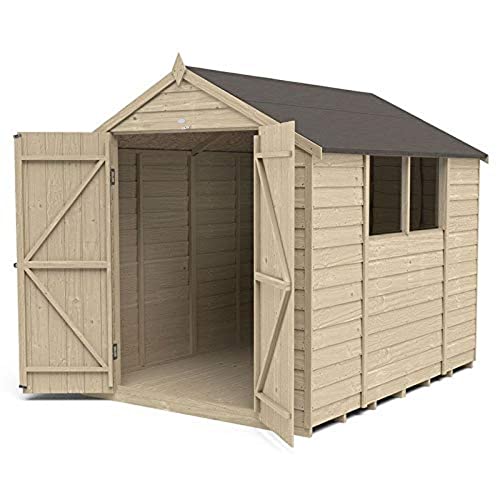
Overall, best priced 8x6 garden shed I tested.

Hey, I’m Dale, I live in Scottish Highlands with my family where we looks after our farm and do some DIY projects together with my two sons.
I love to share my knowledge about putting up sheds (I owned 3 already and helped all my pals with theirs). Hope you find my writing helpful.