
Can you use decking oil on garden shed
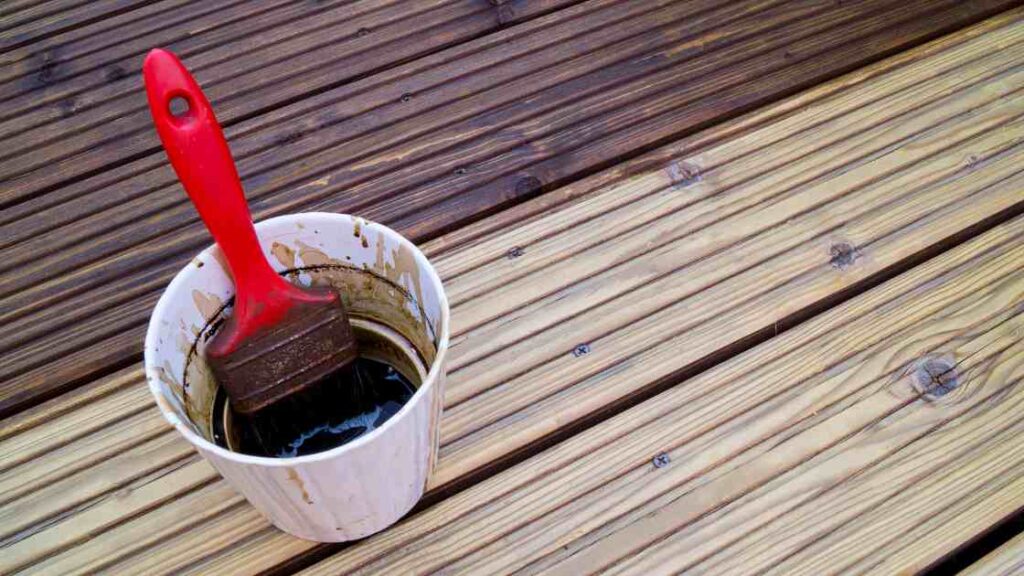
Decking oil is a great way to make sure your garden shed’s aesthetic is upheld for years down the line! But do you know how best to use it?
Your garden shed can benefit greatly from the use of decking oil – giving it a superb finish and colour that it may lack otherwise. But how do you choose the right type, of wood preserver, apply it properly, and maintain its protection? This blog post provides a comprehensive guide to help make sure your garden shed is always looking and performing at its best!
In this article, you’ll find available options for decking oil, advice on the most appropriate kind of treatment for your needs, and long term maintenance techniques to separate you from the rest of the pack
Table of Contents
What is Decking Oil?
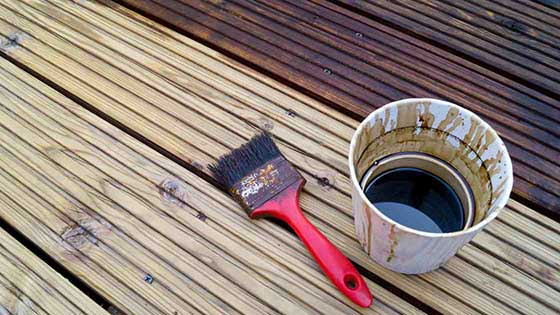
Decking oil is specially formulated to provide a protective finish for outdoor wooden structures such as decks, fences, and garden sheds so you won’t be using it for a metal shed.
Rather than conventional wood stains or paints which form coats over the surface of the wood, decking oil consists of specific oils that will penetrate deep into the wood fibers providing protection from within and making it waterproof.
The advantages of using decking oil are evident in its ability to restore natural color and grain; this boosts the aesthetic beauty of the wood without hiding beneath a layer of paint or stain.
Homeowners in particular find this benefit invaluable when trying to preserve the texture and feel of their outdoor materials.
In addition to restoring aesthetics, decking oil can also protect wooden structures from sun damage and water damage commonly caused by subjection to the elements like excessive rain or snow en route from season to season.
There are a number of types of decking oils to choose from, each offering distinct benefits. Clear decking oil has a natural look and safeguards the wood against deterioration in bad weather. Shades like tinted and semi-transparent help give the shed a polished, high end look by offering an extra shade to the natural color.
Before commencing your selection process, you need to take into account several factors, including the type of wood your structure is created from, sun exposure and potential inclement weather.
It’s especially essential if your household utilizes cedar, redwood or pressure treated pine because they all necessitate varieties of specific oils that work best on those woods.
With helpful research and accurate pairing of the correct steel to your variety of lumber you concern can be assured that your oil will provide designed advantages accurately!
Benefits of Using Decking Oil on Garden Shed
Decking oil for small or big sheds can do wonders in shed treatment.
In addition to its ultimate protection, using decking oil has more than a few fantastic perks, which is why it’s becoming increasingly popular for homeowners. Here are some key benefits of using decking oil on your garden shed:
- Want to ensure your wooden deck stands the test of time? Decking oil is your guardian against weather and UV rays. It will provide superior shielding, keeping wood fibers undamaged against humidifying rains, or surface cracks by blazing suns. Its barrier safeguards splintering and splitting brought on by turns of salt-laden wind or dire UV rays fading hues over time. So keep having fun time after time with dependable protection brought by decking oil!
- Decking oil is your guardian against weather and UV rays. It will provide superior shielding, keeping wood fibers undamaged against humidifying rains, or surface cracks by blazing suns. Its barrier safeguards splintering and splitting brought on by turns of salt-laden wind or dire UV rays fading hues over time. So keep having fun time after time with dependable protection brought by decking oil!
- Decking oil not only is it easy to maintain, but also it doesn’t suffer from the drawbacks of traditional wood stains or paints that can peel or flake over time. To top it off, this convenient solution can be easily reapplied as needed so you can keep your shed looking its best month after month.
- Unlike traditional wood stains, which need frequent reapplication, this product is designed to last longer. You’ll have the assurance knowing that with decking oil, you won’t have to worry about repainting your garden shed again and again. Your garden shed will stand out for years to come, offering a beautiful finishes as well as reliable long-lasting protection.
- For those who are focused on keeping their deck and the environment both beautiful, using an environmentally friendly decking oil is a great option. Many decking oils on the market today are comprised of natural and eco-friendly ingredients such as vegetable oil extracts, beeswax, linseed oils, and carnauba waxes. Choosing products that are preferably made with these ingredients is incredibly important for maximum environmental protection as it will help outdoor spaces remain sustainable for a long time. Plus, you can rest assured that these all-natural oils don’t contain any hazardous chemicals or unwanted solvents that can potentially harm your health or damage the environment.
Taking the time to use decking oil on your garden shed is well worth it. Not only does it do a great job of protecting your garden shed and other garden furniture from harsh weather conditions, its longevity makes for very low maintenance over the years.
Its natural look is also another added bonus; nothing adds more life to a garden building than knowing its been treated with a decking oil that has attracted sealants, waxes, and resins.
Factors to Consider When Choosing a Decking Oil for Your Garden Shed
When selecting a decking oil for your garden shed, it’s essential to consider a few criteria in order to make an informed decision that meets your needs:
- Wood type: The kind of wood your shed is made from should influence the choice you make for decking oil. Some woods have high densities and porosity levels, making them more prone to moisture absorption – in these cases it’s essential to invest in a specialized product that can keep your timber safe!
- Weather conditions: Weather plays an important role in choosing the best decking oil for your home. If you live in a damp or humid region, look out for products that offer superior protection against moisture to ensure long-lasting durability of your patio surface.
- Durability: If you’re looking to give your garden shed extra protection from the elements, look for a decking oil that promises lasting durability. With enhanced weather and environmental resistance, this specialized product will keep your outdoor space in top condition without needing endless reapplications throughout the year!
- Application method: Choose between brush-on, spray-on and roller applications depending on which is most practical for you – so it’s goodbye manual labour and hello stunning results that’ll last!
- Eco-friendliness:: Do you care about the environment? Worrying about how products can impact the planet is becoming increasingly important. But how do you ensure that the decking oil you choose won’t threaten your family’s health as well as nature? It may seem difficult to determine, which is why it’s important to look for a product that is made from environmentally friendly ingredients. These ‘natural eco-friendly ingredients’ are safer for your family and nature, so encourage you to take notice when choosing your next decking oil!
- Price: When selecting a decking oil, it’s important to find the right balance between cost and quality. While higher-priced products may offer superior results, many mid-range options are an excellent choice for protecting your outdoor surfaces at a more budget conscious price point.
How to Apply Decking Oil to Your Garden Shed
One of the most common inquiries I receive is whether decking oil can be applied to a shed.
To any gardeners interested in boosting and maintaining their shed, I’m here to tell you step by step how to apply decking oil to your shed.
- Preparation: Ensure your garden shed is in tip-top shape by giving it a proper clean. Use a pressure washer, sandpaper or wire brush to remove any dirt and grime before applying decking oil – make sure the surface is completely dry for optimum results!
- Mixing the oil: To ensure a professional finish to your decking project, make sure you follow the mixing instructions for your chosen oil. To guarantee an even coat when applying it’s essential that you mix thoroughly – no corner should be cut!
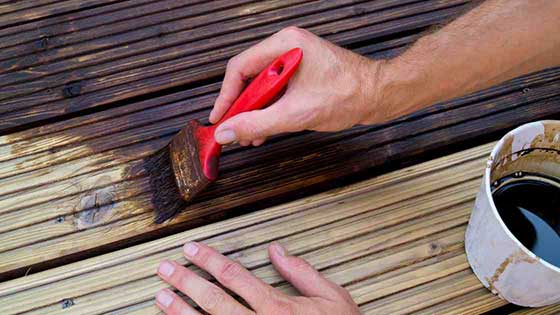
- Applying the oil: Ensure your garden shed looks its best by properly applying a coat of decking oil. Start the process from the top and work downwards using either a paintbrush or roller to spread it evenly across all surfaces, including around corners and edging for full coverage!
- Allow the first coat to dry: To get the best protection for your decking, wait until the first coat of oil has dried entirely before applying a second layer. This will ensure that the wood’s fibers are saturated with protective goodness and ready to take on whatever Mother Nature throws their way!
- Applying a second coat: To ensure your garden shed looks its best, re-apply the decking oil and make sure you cover all areas that may have been overlooked on the first coat. A little extra attention will pay off when it comes to giving your outdoor space a great new look!
- Clean-up: Ensure you give your brush or roller a thorough scrub after applying the decking oil. Taking this precaution will keep it in great condition for future use and save time!
- Let it dry: After lubricating your garden shed’s surface with decking oil, ensure you let it fully dry before using. This time frame can vary depending on external conditions like climate and the product used to coat. Allow several hours for optimal results!
I hope this article will help you with preserver.
| Key Takeaways |
|---|
| Decking oil is specially formulated for outdoor wooden structures |
| It penetrates deep into wood fibers, making it waterproof and enhancing natural color and grain |
| Protects against sun and water damage |
| Different types of decking oils offer distinct benefits |
| Factors to consider when choosing decking oil: wood type, weather conditions, durability, application method, eco-friendliness, and price |
| Decking oil provides many benefits, including weather and UV protection, easy maintenance, and eco-friendliness |
| Application process involves preparation, mixing, applying the oil, allowing it to dry, and clean-up |
Thanks for reading!
Dale
Q: Can I use decking oil on my garden shed for colour and ultimate protection?
A: Yes, you can use decking oil or exterior wood oil on your garden shed for both colour and ultimate protection. It provides an excellent finish and protects the wood from mould, alga, and wood rot. However, it’s essential to choose the right wood oil or decking oil for your specific needs, whether it’s a paint or varnish or a clear wood finish for weather protection.
Q: Will using wood oil or decking oil provide the best protection as a shed treatment and preserver?
A: Wood oils or decking oils offer excellent protection as a shed treatment and preserver. They contain wood preservatives that help protect the wood from insect attack, wood rot, and weather-related damage. Moreover, it enhances the wood’s natural beauty while providing a colour finish that complements your garden buildings.
Q: Do I need to apply 2 coats of exterior wood oil or shed preserver for ultimate protection?
A: Applying two coats of exterior wood oil or shed preserver is recommended for achieving the ultimate protection against wood rot, mould, and insect attacks. Two coats ensure proper coverage, making the wood treatment more durable and long-lasting. Always follow the manufacturer’s instructions when applying the product to get the best results.
Q: How can I use wood oils or wood treatment products to waterproof my garden shed?
A: Wood oils or wood treatments containing water repellent properties can be used to waterproof your garden shed. By applying a suitable exterior wood oil, you create a barrier between the wood and moisture, preventing water ingress, dampness, and wood rot. Choose a product with water-repellent properties for the best results.
Q: Can I use stain and wood preservers on my fence and other garden buildings?
A: Absolutely! Stains and wood preservers can be used on fences and other garden buildings, providing additional protection and enhancing their appearance. Ensure you select a product that is compatible with the type of wood you are working with and follow the manufacturer’s guidelines for best results.
Q: What is the difference between solvent-based wood preservatives and water-based wood treatments?
A: Solvent-based wood preservatives contain organic solvents that help the active ingredients penetrate deeper into the wood, providing better protection against wood rot and insect attack. Water-based wood treatments are more eco-friendly and have a faster drying time. Both types offer excellent protection, but it’s essential to choose the right one based on your needs and the specific wood you are working with.
Q: Do I need to treat the inside of my garden shed with a wood preservative as well?
A: Treating the inside of your garden shed with a wood preservative can help prolong its lifespan and maintain a healthy environment inside. It can prevent or reduce the growth of mould and algal buildup, which can cause damage to the shed and its contents over time. Using a clear wood preservative is recommended if you want to maintain the shed’s natural appearance.
Q: How do I achieve the desired final colour on my garden shed using coloured wood preservers and wood oils?
A: To achieve the desired final colour on your garden shed, follow the manufacturer’s guidelines for using coloured wood preservers and wood oils. Multiple factors like the natural wood colour, the product’s consistency, and the application method can affect the final colour. Always do a test patch on a discreet area before applying the product to your entire shed.
Q: How often should I apply a shed treatment or preserver to keep it looking new or old?
A: We recommend carrying out a shed treatment or applying a shed preserver every 2-3 years to maintain the protection and appearance of your garden shed. However, this may vary depending on factors such as exposure to the elements, the quality of the original treatment, and the type of wood used in the shed.
Q: Can I use log cabin treatment or clear wood preservative on a new shed?
A: Yes, you can use log cabin treatment or a clear wood preservative on a new shed as it provides an added layer of protection against insect attacks, mould, alga, and wood rot. It is essential to follow the guidelines provided by the manufacturer to get the best results.
Keter Artisan Pent 11x7 Shed
9.4

Overall, the best 11x7 garden shed I tested.

Dale Allan( Gardener )
Hey, I’m Dale, I live in Scottish Highlands with my family where we looks after our farm and do some DIY projects together with my two sons.
I love to share my knowledge about putting up sheds (I owned 3 already and helped all my pals with theirs). Hope you find my writing helpful.